How to Tell If Mold Is a Problem in Your Home
Mold can be more than just an unsightly stain on your walls. It poses health risks and can damage your home’s structure. It’s crucial to recognize the signs that mold might be taking hold. This guide will help you understand when it’s time to take action and contact experts for help.
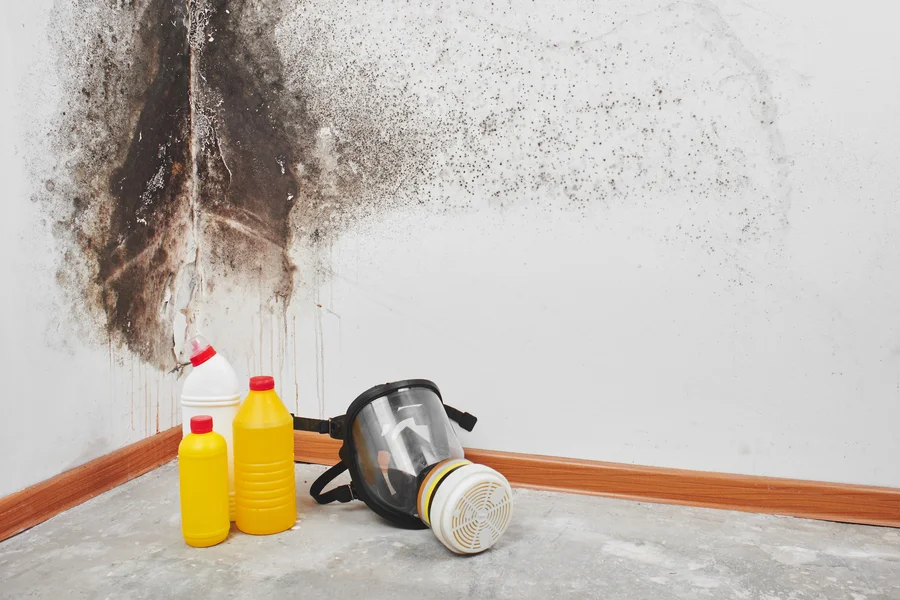
Musty Smells Indoors
If you notice a persistent musty smell, especially in damp areas like basements or bathrooms, it might indicate mold growth. Mold releases microbial volatile organic compounds (MVOCs), which create this odor. While not all molds produce noticeable odors, a continuous musty smell should prompt further investigation.
Visible Mold Growth
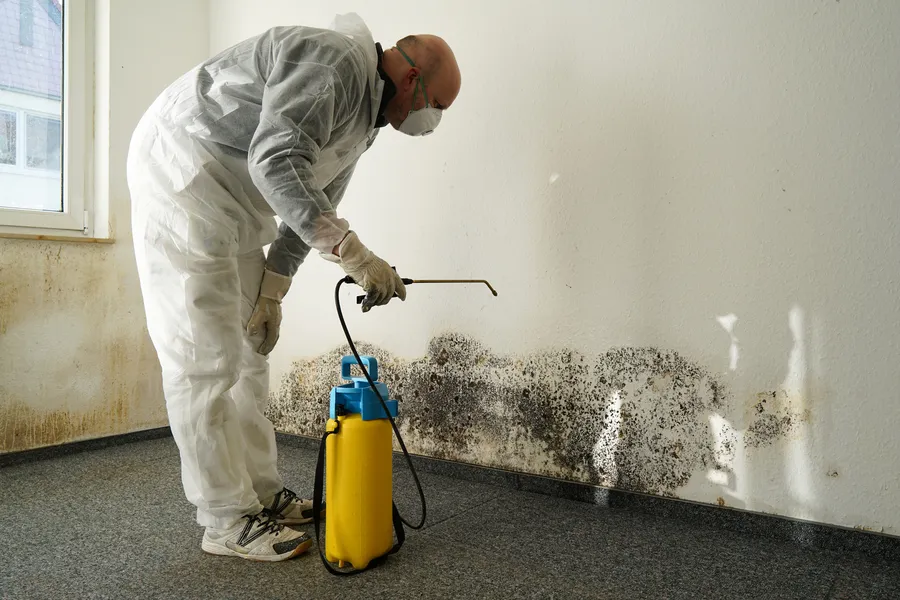
Spotting mold growing on walls, ceilings, or other surfaces is a clear sign you need mold remediation. Even small patches can spread rapidly under the right conditions. The presence of black, green, or white fuzzy spots indicates immediate attention is necessary to prevent further growth.
Frequent Allergy Symptoms
Mold spores can trigger allergic reactions. If you experience symptoms like sneezing, coughing, itchy eyes, or skin irritation indoors but improve outside, you may have a mold problem at home. These issues often worsen in humid weather, indicating the need for intervention.
Water Leaks or Flooding History
Homes that have experienced leaks or floods are prone to mold issues. Water-damaged areas provide the perfect breeding ground for mold if not properly dried and cleaned. Look for discoloration on walls or ceilings where water incidents occurred in the past.
Condensation on Windows
Excessive condensation on windows can signal high humidity levels inside your home. High humidity creates an ideal environment for mold growth. Regularly wiping away condensation can help, but persistent problems may require professional evaluation and solutions.
- Ensure proper ventilation in damp areas
- Fix leaks promptly to prevent moisture accumulation
- Use dehumidifiers to control indoor humidity levels
- Inspect hidden areas such as under carpets or behind wallpaper
Peeling Paint or Wallpaper
Mold thrives in moist environments. When moisture seeps into walls, it can cause paint and wallpaper to peel or bubble. This is often a sign that mold could be lurking beneath the surface, necessitating further inspection and possible remediation efforts.
What Experts Recommend for Mold Issues
If you suspect mold, it’s essential to act quickly. Experts recommend hiring professionals who can assess the situation accurately. They possess the tools and knowledge to safely remove mold and ensure it doesn’t return. Attempting DIY removal without proper gear can exacerbate the problem.
The Importance of Professional Assistance
Professionals use specialized equipment to detect hidden mold and determine its type and extent. Their expertise ensures effective removal while minimizing exposure risks. They also offer advice on preventing future occurrences by addressing root causes like leaks or poor ventilation.
Conclusion: Protect Your Home With Expert Help
Regular inspections and prompt action are key to maintaining a healthy home environment. If you’re in Baltimore, MD, consider reaching out to DB Water Damage Restoration for expert guidance and support. Call us today at (443) 715-8730 to learn more about how we can assist with your specific needs.